Residential & Commercial Architect Services in Marietta for Building Plans
Architecture Expertise: Design Trends, Projects, and Expert Recommendations for Every Environment
Architecture Insights investigates the evolving landscape of form and function in modern spaces. It explores existing trends, cutting-edge projects, and actionable advice from professionals. The focus remains on sustainability, technology, and community engagement. The way architects handle these elements can reshape environments and improve occupant well-being. As the conversation unfolds, it becomes apparent that the future of architecture contains compelling possibilities yet to be revealed.
Today's Latest Architectural Design Movements to Watch
With the evolution of the architectural landscape, professionals in the field must stay attuned to the latest design trends that shape the built environment. Today, sustainability drives innovation, with attention to eco-friendly materials and energy-efficient designs. Biophilic design, which weaves natural elements into urban spaces, is gaining traction, fostering a connection between occupants and nature. Minimalism remains a driving force in aesthetics, showcasing clean lines and functional spaces that prioritize simplicity.
One more developing pattern is the integration of smart technology into architectural designs, enhancing practicality and effectiveness. Mixed-use projects are likewise gaining momentum, fostering thriving communities by combining residential, commercial, and recreational spaces. Additionally, adaptive repurposing of historic buildings demonstrates a growing appreciation for heritage while addressing modern needs. These trends collectively signal a shift in the direction of a more holistic, community-focused approach in architecture, guaranteeing that design not only addresses functional requirements but also enhances the human experience.
Applying Architectural Trends: Tips for Functional Interiors
Implementing the latest architectural trends into interior spaces can markedly elevate functionality and aesthetics. Utilizing open floor plans facilitates fluid movement and fosters social interaction, making spaces feel more connected. Including multifunctional furniture, such as modular sofas or extendable dining tables, provides versatility, accommodating diverse needs and activities.
Natural light is another crucial trend; large windows and skylights not only illuminate but also create a sense of spaciousness. Biophilic design, which stresses the link to the natural world, can be achieved through indoor plants, natural materials, and organic shapes, promoting well-being.
Sustainable materials are becoming increasingly popular, offering both durability and eco-friendliness. Furthermore, integrating smart home technology enhances convenience while improving energy efficiency. Thoughtful color palettes and textures help in creating inviting environments. By implementing these architectural trends, designers can create functional interiors that are not only practical but also visually appealing, improving the overall quality of life for occupants.
Groundbreaking Architectural Projects Transforming Urban Spaces
How can innovative architectural projects reshape urban environments? These projects often integrate cutting-edge design with functionality, tackling the unique challenges of urban living. By emphasizing mixed-use developments, architects create spaces that foster community engagement and improve accessibility. For instance, the use of vertical gardens not only beautifies cityscapes but also improves air quality, fostering wellness among residents.
Furthermore, creative transformation of heritage buildings shows how innovation can preserve cultural heritage while addressing contemporary needs. These projects foster sustainable practices, rejuvenating neglected areas and bringing new life to urban centers.
Additionally, the adoption of smart technologies in urban architecture improves efficiency and connectivity, making cities better places to live. In general, these transformative projects demonstrate the potential of architecture to not only shape physical spaces but also strengthen the social fabric of urban life, ultimately resulting in more lively, sustainable communities.
Choosing Environmentally Responsible Materials for Architecture
What elements must architects evaluate when choosing eco-friendly materials for their developments? To begin with, they should examine the environmental impact of materials throughout their lifecycle, from extraction to disposal. This includes analyzing the carbon footprint and resource depletion associated with material production. Subsequently, architects should focus on renewable or recycled materials, as these contribute to reducing waste and conserving natural resources.
Durability is another vital aspect; materials with extended lifespans minimize the necessity for replacements and lower extended environmental impact. In addition, local sourcing can substantially minimize transportation emissions and enhance regional economies. Architects should also examine the health consequences of materials, ensuring they are non-toxic and enhance indoor air quality.
Ultimately, aesthetics and practicality should be in harmony with sustainability goals, guaranteeing that the chosen materials not only fulfill environmental standards but also achieve the design vision of the project. Thoughtful evaluation of these aspects leads to more sustainable architectural practices.
How Modern Architecture is Influenced by Technology
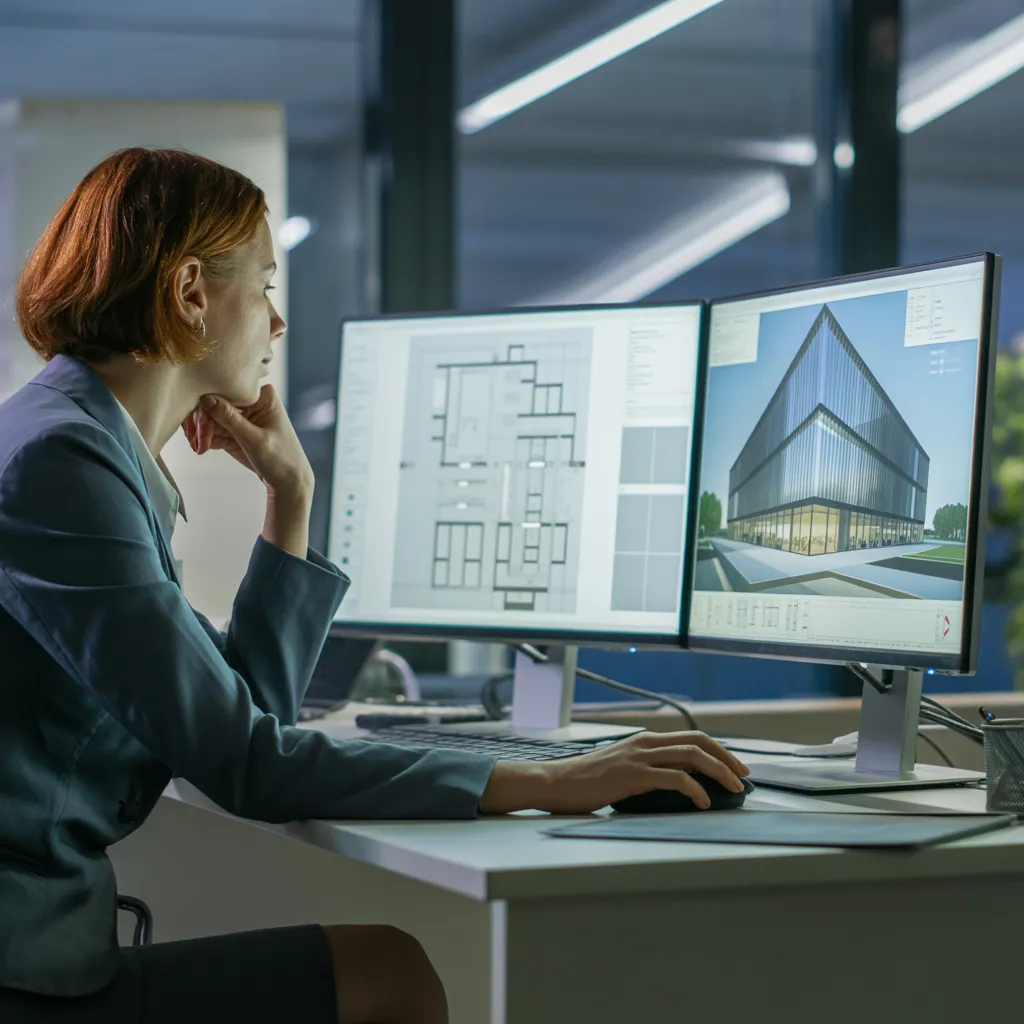
Where can one discover the intersection of creativity and technology in current architecture? In the present day, technology serves a crucial function in molding architectural designs and enhancing functionality. Advanced software allows architects to visualize complex structures through 3D modeling and virtual reality, permitting precise adjustments before construction starts. Moreover, building information modeling (BIM) enhances collaboration among multiple stakeholders, boosting efficiency and lessening errors.
Intelligent systems have fundamentally changed the way buildings interface with their environment. Coordinated networks for lighting, heating, and security enhance energy efficiency and user comfort. Moreover, the use of sustainable technologies such as solar panels and green roofs demonstrates how innovation combines with ecological responsibility.
Eventually, the impact of technology in contemporary architecture fosters not only design beauty but also functional robustness, expanding the frontiers of what is possible in design while confronting modern challenges in urban living.
Examining Famous Building Styles Through History
Over the centuries, architectural styles have undergone substantial evolution, representing the social, cultural, and technological environments of their periods. Beginning with the magnificence of Ancient Greek and Roman architecture, distinguished by columns and symmetry, to the intricate aspects of Gothic cathedrals, these styles display humanity's pursuit for beauty and functionality. The Renaissance represented a revival of classical ideals, highlighting proportion and perspective, while the Baroque period introduced dramatic expressions through ornate ornamentation.
Throughout the 1800s, the Industrial Revolution catalyzed innovations, giving rise to the emergence of styles like Victorian and Beaux-Arts, which blended craftsmanship with new materials. The 1900s brought Modernism, focusing on simplicity and minimalism, followed by Postmodernism's whimsical eclecticism. In modern times, contemporary architecture integrates sustainability and technology, constantly reshaping urban landscapes. Each era's architectural style serves not only as artistic expression but also as a reflection of social values and advancements, creating a rich tapestry of human creativity.
How to Partner Successfully With Architects and Designers?
Successful collaboration with architects and designers copyrights on establishing clear communication channels. By setting project goals together, all parties can align their visions and expectations. Additionally, cultivating flexibility and adaptability fosters an environment supportive of creative problem-solving and innovation.
Establish Strong Communication Pathways
Partnership with architects and designers depends on the establishment of clear communication channels, as misunderstandings can undermine even the best-laid plans. Meaningful communication commences with defining preferred methods, whether through regular meetings, emails, or project management tools. It is vital for all parties to share their availability and preferred communication styles to foster a effective dialogue. Additionally, employing visual aids like sketches or digital models can improve understanding and clarify concepts. Establishing a centralized platform for documentation ensures that everyone has access to the latest information, reducing the risk of miscommunication. By prioritizing transparent and consistent communication, stakeholders can create a collaborative environment that promotes creativity and innovation while minimizing conflicts and setbacks throughout the project.
Establish Project Objectives Collaboratively
Establishing project goals together is a crucial step in securing a successful partnership between architects and designers. This collaborative process allows both parties to align their visions, guaranteeing that creative ideas meet practical requirements. Commencing discussions about project scope, budget, and timelines cultivates a clear understanding of expectations. It also helps recognize potential challenges early on, enabling for proactive solutions. Regular feedback sessions can further refine these goals, making certain they remain relevant throughout the project lifecycle. By actively involving both architects and designers in this phase, clients can nurture a sense of ownership and investment in the project, leading to enhanced satisfaction with the final outcome. In the end, clear and shared objectives lay the groundwork for a harmonious and productive collaboration.
Accept Being Flexible And Adaptable
Successful project goals establish the foundation for a collaborative environment where flexibility and adaptability become essential. Architects and designers frequently face shifting circumstances that require adjustments to initial plans. Effective collaboration copyrights on open communication, permitting stakeholders to voice concerns and suggestions freely. By fostering a culture of trust, team members are better positioned to explore innovative solutions together. Employing digital tools can further enhance coordination, allowing for real-time updates and feedback. Regular check-ins and workshops create opportunities to reassess goals and align visions. Ultimately, embracing flexibility allows for the integration of new ideas and changes, ensuring the project evolves to meet both functional and aesthetic needs. This adaptability leads to a Assisted Living Charlotte successful outcome that reflects the collective vision of all parties involved.
Popular Questions
What Are Common Architectural Design Mistakes to Avoid?
Common mistakes in architectural design include ignoring functionality, ignoring site context, failing to contemplate sustainability, misjudging scale and proportion, and failing to recognize the importance of user experience, which can lead to inefficient and uninspiring spaces.
How Do Different Cultures Display Varying Architectural Styles?
Architectural approaches differ substantially across various cultures, demonstrating indigenous resources, climatic conditions, heritage, and community values. For example, Japanese architecture emphasizes harmony with nature, while Mediterranean designs display vivid colors and airy environments suited for warmer climates.
What Role Does Color Play in Architectural Design?
Color plays a significant role in architectural design by shaping mood, improving aesthetics, and expressing cultural identity. It can harmonize spaces, create visual interest, and impact perception, ultimately shaping the experience of both users and viewers.
How Can I Identify the Right Architect for My Project?
To identify the right architect for a project, you should review credentials, review completed projects, gather recommendations, and conduct interviews to confirm compatibility in vision, style, and communication for successful collaboration throughout the project development.
What Expenses Come With Architectural Services?
Charges tied to architectural services typically include design-related expenses, consultation charges, project oversight costs, and possibly additional costs for permits and materials. Prices can fluctuate greatly based on project scope, intricacy, and regional area.